
Identity & Life Transitions Counselling
Life doesn't always unfold the way we expected
Some of life's biggest challenges aren't crises - they're transitions. A career change, becoming a parent, children leaving home, the end of a relationship, retirement, questioning your identity or simply feeling like you've lost your direction can leave you wondering who you are and what comes next.
At The Naum Centre, we provide evidence-based counselling for people navigating life's transitions. Whether you're facing a significant change or simply sensing that life no longer feels aligned with who you are, counselling offers space to reflect, make sense of your experiences and move forward with greater clarity and confidence.
You may recognise some of these experiences:
You feel uncertain about who you are or what you want next.
A major life change has left you feeling unsettled or overwhelmed.
You're questioning your purpose, direction or priorities.
You feel like you've outgrown the life you've built.
You're struggling to adjust after separation, retirement or becoming a parent.
You feel stuck between who you were and who you're becoming.
You're exploring your identity, values or relationships.
You feel disconnected from yourself or the things that once mattered to you.
You know something needs to change, but you're unsure where to begin.
Life looks fine from the outside, but internally you feel lost or unfulfilled.
Periods of uncertainty are a normal part of life. They can also become opportunities for growth, greater self-understanding and meaningful change.
Understanding Identity and Life Transitions
Throughout our lives, our identity continues to evolve. Our relationships, work, health, family, culture, beliefs and life experiences all shape how we see ourselves and how we move through the world.
Sometimes change is expected, such as starting university, changing careers or becoming a parent. Other transitions arrive without invitation through illness, grief, redundancy, separation, discrimination or other unexpected events. Even positive changes can bring uncertainty as familiar roles, routines and expectations begin to shift.
During these periods, it's common to question your direction, confidence or sense of purpose. You may feel pulled between who you've always been and who you're becoming. Many people experience increased anxiety, self-doubt or grief for the version of life they thought they would have.
Identity can also become an important focus following experiences such as receiving an ADHD diagnosis, exploring gender or sexuality, leaving a long-term relationship, changing careers or recognising that your values have shifted over time.
Rather than seeing uncertainty as something to eliminate, counselling can help you understand it, explore what matters most to you and move towards a life that feels more authentic and aligned with your values.
Looking for a little more depth? Read our full guide: Understanding Identity & Life Transitions.
How Counselling Can Help
Life transitions often raise questions that don't have simple answers. Counselling provides the opportunity to explore these questions with curiosity rather than pressure.
Depending on your goals, counselling may help you:
make sense of significant life changes
clarify your values and priorities
explore identity, purpose and direction
navigate uncertainty with greater confidence
strengthen decision-making during times of change
process grief associated with life transitions
build resilience and self-understanding
develop practical strategies for adapting to new circumstances.
Counselling isn't about finding the "perfect" answer. It's about helping you make thoughtful decisions that reflect who you are and the life you want to create.
Identity Counselling FAQs
Here are answers to some of the questions we're asked most often.
-
No. Many people seek counselling during periods of change, uncertainty or personal growth rather than because they're experiencing a mental health condition.
Counselling can provide valuable support whenever life feels challenging or you're navigating important decisions.
-
Yes. Many people come to counselling with a general sense that something isn't working or that life no longer feels aligned with who they are.
Exploring these experiences together is often where clarity begins.
-
Yes. We provide LGBTQIA+ affirming counselling and welcome people exploring gender identity, sexuality, relationships and other aspects of identity in a respectful and supportive environment.
-
That depends on your goals and circumstances. Some people seek short-term support during a specific transition, while others benefit from ongoing counselling as they navigate more complex changes over time.
Looking for something else?
What to Expect
The first step is understanding your story.
Together we'll explore what's changing, what's feeling difficult and what you hope life will look like moving forward. Some sessions may focus on practical decision-making, while others may involve exploring long-held beliefs, patterns or experiences that continue to influence how you see yourself.
Throughout the process, we'll work collaboratively to help you better understand your values, recognise your strengths and identify meaningful steps towards the future you want to build.
Change rarely happens overnight, but greater clarity often begins with creating space to slow down, reflect and reconnect with what matters most.
Our Approach
At The Naum Centre, we believe counselling should support people not only through times of crisis, but also through the ordinary transitions that shape a meaningful life.
We work with people from diverse backgrounds, identities and life experiences, including members of the LGBTQIA+ community and people exploring questions of identity, relationships and belonging. Our approach is respectful, affirming and grounded in evidence, creating space for thoughtful conversations without assumptions about who you should be or what your future should look like.
-

Sally Tanner
-

Billie Popovska
-
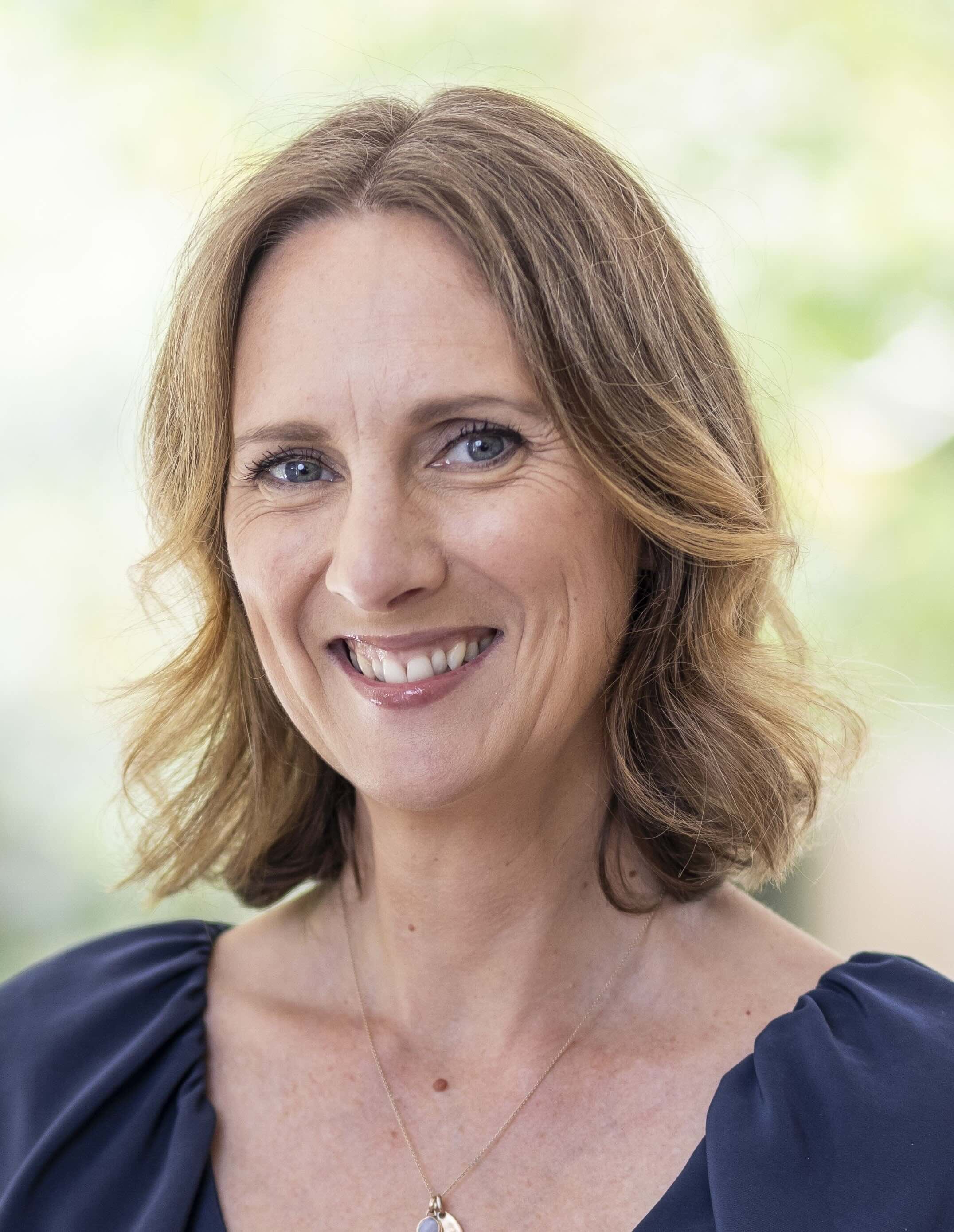
Tracy Dedman
-

Soledad De Virgilio
-

Snezana Milesic
Rather than offering advice or telling you what decisions to make, we help you develop greater understanding of yourself so you can move forward with confidence and authenticity.
Ready When You Are
Life's transitions can feel uncertain, but they can also become opportunities to better understand yourself and create a life that feels more aligned with who you are.
Whether you're navigating a major change, questioning your direction or simply looking for space to reflect, counselling can help you move forward with greater clarity, confidence and purpose.
If you're ready to begin, we'd be pleased to support you.
Build Skills Between Sessions
Many people find it helpful to continue reflecting between counselling sessions, or to begin exploring these topics before reaching out for support.
Explore practical workbooks, guides and mental health resources designed to help you build knowledge, confidence and lasting wellbeing in The Naum Centre’s growing Learning Hub.
You may like to begin with:
Values & Direction
Digital ACT Workbook
Reconnect with what matters most and take meaningful steps towards the life you want with this practical, evidence-informed ACT workbook featuring guided reflections, values exercises and everyday actions.
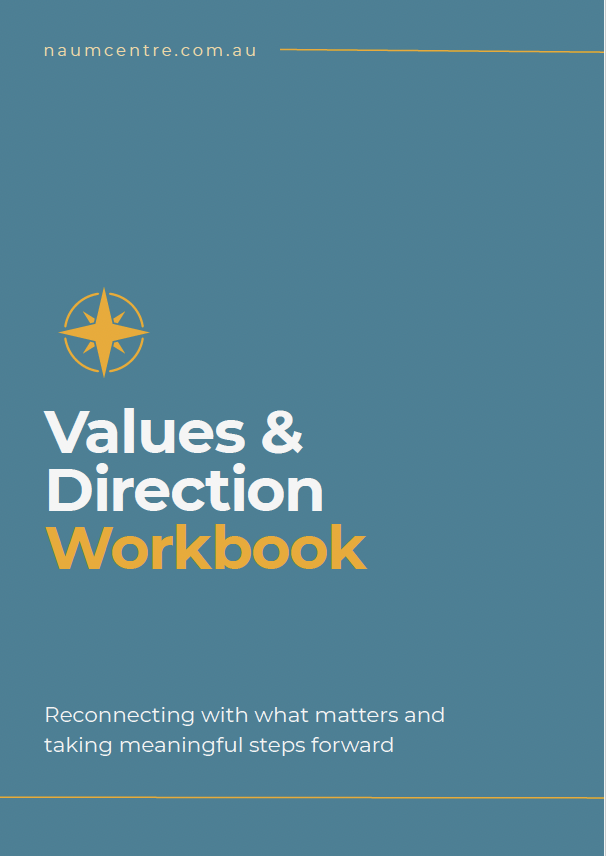
Reconnect with what matters using this practical ACT values workbook. Designed to help you clarify your values, make meaningful decisions and build a life guided by purpose rather than pressure.
It's easy to become caught up in the demands of everyday life. We focus on meeting responsibilities, managing stress and getting through each day, often without stopping to consider whether we're living in a way that reflects what truly matters to us.
The Values & Direction Workbook has been developed by The Naum Centre to help you reconnect with your values, understand the difference between goals and values, and begin making choices that feel more aligned with the life you want to build.
Drawing on principles from Acceptance and Commitment Therapy (ACT), this workbook combines practical psychoeducation with guided reflection exercises to help you develop greater self-awareness, clarify what's important to you, and identify small, meaningful actions that move you towards the person you want to be.
Rather than focusing on achieving perfection or reaching a particular destination, this workbook encourages you to build a life that feels authentic, purposeful and guided by your own values.
Inside You'll Find
✔ An introduction to values and how they differ from goals
✔ Guided reflections to explore where your life currently feels aligned—or out of alignment
✔ Practical exercises to help identify your personal values
✔ Activities to explore what your chosen values mean to you
✔ Visualisation exercises to imagine a more values-aligned life
✔ Reflection prompts to identify barriers that may be getting in the way
✔ A practical framework for turning values into meaningful everyday actions
✔ A personal Values Compass to support future decision-making
Who Is This Workbook For?
This resource may be helpful if you:
feel disconnected from yourself or uncertain about what matters most
are navigating a life transition or period of change
want to live with greater purpose and intention
find yourself making decisions based on fear, obligation or expectations
would like to better understand your values and use them to guide everyday choices
enjoy reflective exercises and practical self-development resources.
No previous counselling experience is needed.
A Practical Resource You Can Return To
Values are not something we discover once and then complete - they are an ongoing guide for how we choose to live.
This workbook has been designed to be revisited over time. As your circumstances change, you may find that different values become more relevant, or that your understanding of what matters continues to deepen.
Many of the concepts and exercises included in this workbook are also explored within counselling sessions at The Naum Centre and can be used alongside professional support or completed independently at your own pace.
Format
Digital PDF Download
Approximately 35 Pages
Instant access after purchase.
Please note
These resources are designed for educational and self-development purposes. They are not intended to replace individual counselling, psychological treatment or medical advice. If you're experiencing significant distress or are concerned about your mental health, we encourage you to seek support from a qualified health professional.