
Grief & Loss Counselling
Grief is not something to "get over"
Loss changes us. Whether you've experienced the death of someone close to you, the end of an important relationship, a significant life transition or another deeply personal loss, grief can affect every part of life. It may come in waves, appear unexpectedly or linger long after others expect you to have "moved on."
At The Naum Centre, we provide compassionate, evidence-based grief counselling for people navigating loss in all its forms. Counselling offers a space to process your experiences, make sense of complex emotions and find ways to carry your loss while continuing to move forward.
You may recognise some of these experiences:
You're struggling to adjust after losing someone important to you.
Grief feels as intense today as it did months ago.
You find yourself overwhelmed by sadness, anger, guilt or regret.
You're avoiding reminders of the person or situation you've lost.
You feel disconnected from other people or misunderstood by those around you.
Everyday tasks feel exhausting or difficult to manage.
You're questioning your identity or sense of purpose following a significant loss.
You feel pressure to "be okay" before you're ready.
You're grieving something others don't seem to recognise or understand.
You don't recognise yourself since your loss.
There is no right or wrong way to grieve. Every relationship, every loss and every person's experience is different.
Understanding Grief
Grief is a natural response to losing someone or something important. While it is often associated with the death of a loved one, grief can also follow the end of a relationship, miscarriage, infertility, losing a job, retirement, serious illness, changes in health, family estrangement, relocation or other significant life changes.
Grief affects people emotionally, physically, mentally and socially. You may experience sadness, anger, guilt, relief, numbness, anxiety or disbelief, sometimes all within the same day. Concentration, sleep, motivation and memory are often affected, and many people are surprised by how physically exhausting grief can be.
There is no predictable timeline for grief. It doesn't move neatly through stages, nor does it follow a straight line. Many people find that grief changes over time rather than disappearing. Milestones, anniversaries, familiar places or unexpected reminders can bring emotions back, even years later.
One of the greatest challenges of grief is learning to adjust to a world that has changed. Counselling doesn't aim to remove grief or encourage you to leave someone behind. Instead, it can help you understand your experience, navigate the many emotions that accompany loss and gradually rebuild a life that makes room for both grief and hope.
Want to understand grief in more depth? Read our full guide: Understanding Grief & Loss
How Counselling Can Help
Grief counselling provides a space where you don't need to protect other people from your emotions or feel pressured to move on before you're ready.
Depending on your circumstances, counselling may help you:
process the emotional impact of your loss
make sense of complex or conflicting emotions
reduce feelings of guilt, self-blame or regret
adjust to significant life changes following a loss
navigate changes in identity, roles or relationships
develop ways of coping with anniversaries, milestones and reminders
reconnect with the people and activities that matter to you
find meaning and hope while continuing to honour your loss.
Counselling doesn't take grief away, but it can help make carrying it feel less lonely.
Grief Counselling FAQs
Here are answers to some of the questions we're asked most often.
-
No. While many people seek grief counselling following the death of someone close to them, grief can also follow relationship breakdown, miscarriage, infertility, illness, family estrangement, career changes and many other significant losses.
-
Our goal isn't to help you forget or leave your grief behind. Counselling supports you to understand your experiences, adapt to life after loss and find ways of moving forward while continuing to honour what has been important to you.
-
There is no right time. Some people seek support immediately after a loss, while others reach out months or years later when they recognise grief is continuing to affect their wellbeing.
-
Every person's grief is unique. Counselling provides a space where your individual experience can be understood without comparison or judgement.
Looking for something else?
What to Expect
Everyone grieves differently, so counselling is always tailored to your experiences and what feels most important to you.
Some people want space to tell the story of their loss. Others are looking for practical strategies to cope with everyday life, support navigating family relationships or help making sense of emotions that feel confusing or overwhelming.
There is no expectation that you should feel a certain way or reach a particular milestone by a particular time. Together we'll work at a pace that feels right for you, recognising that grief is deeply personal and deserves to be met with compassion rather than judgement.
Our Approach
Our counselling is evidence-based, compassionate and person-centred. We provide a respectful space where your experiences can be explored without expectation, helping you better understand your grief while supporting you to navigate life alongside it.
-

Sally Tanner
-

Billie Popovska
-
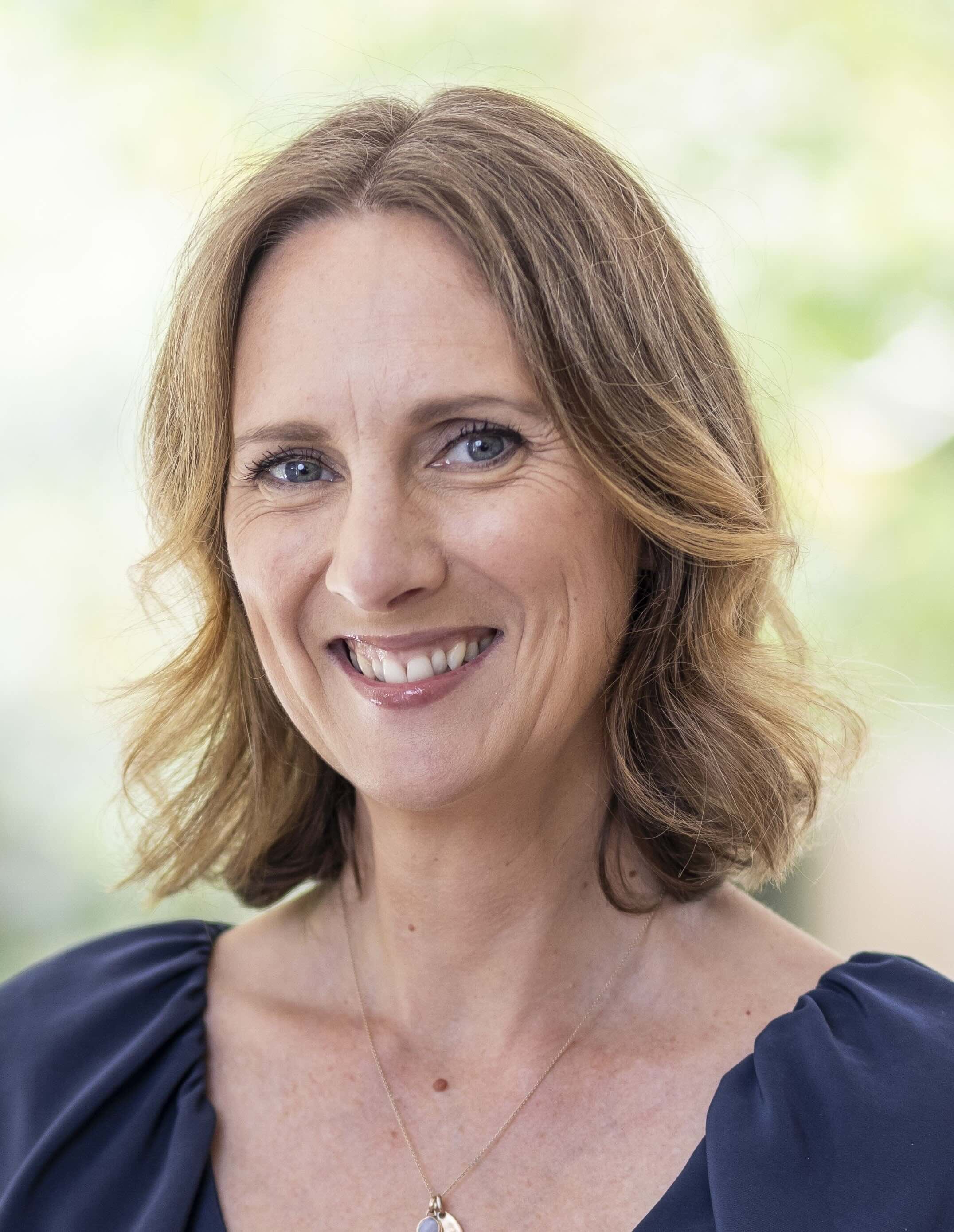
Tracy Dedman
-

Soledad De Virgilio
-

Snezana Milesic
At The Naum Centre, we understand that grief is not a problem to be solved. It reflects the significance of what has been lost and the importance of the relationship, role or future that has changed.