
Trauma Counselling
Moving forward doesn't mean forgetting what happened
Difficult experiences can leave a lasting impact long after the event has passed. Sometimes the effects are obvious. Other times they appear gradually through anxiety, emotional overwhelm, relationship difficulties, feeling constantly on edge or simply sensing that you're no longer quite yourself.
At The Naum Centre, we provide trauma-informed, evidence-based counselling for adults and older teenagers. Whether your experiences relate to a single event or the cumulative impact of difficult experiences over time, counselling offers a safe, collaborative space to better understand what you're carrying and move towards a life that feels more grounded and manageable.
You may recognise some of these experiences:
You feel constantly alert or on edge, even when you're safe.
Certain situations, places or people trigger intense emotional or physical reactions.
You avoid reminders of past experiences.
You struggle to trust other people or feel emotionally close to them.
You experience strong feelings of shame, guilt or self-blame.
You feel emotionally numb or disconnected from yourself and others.
Sleep has become difficult because of racing thoughts, nightmares or feeling unable to relax.
You become overwhelmed by emotions that seem difficult to explain.
You notice patterns in your relationships that you don't fully understand.
You feel like your past continues to influence your present, despite your best efforts to move on.
Trauma affects everyone differently. There is no "right" way to respond to difficult experiences.
Understanding Trauma
Trauma isn't defined solely by what happened to someone. It's also shaped by how an experience affected their sense of safety, connection and ability to cope.
Some people experience trauma following a single event such as an accident, assault, natural disaster or sudden loss. Others experience the cumulative effects of ongoing adversity, including childhood neglect, emotional abuse, family violence, bullying, discrimination or repeated experiences of feeling unsafe or unsupported.
When something overwhelms our ability to cope, the nervous system adapts to help us survive. These responses are not signs that something is wrong with you - they are protective responses designed to keep you safe. However, long after the danger has passed, the nervous system may continue responding as though the threat is still present.
This can contribute to symptoms such as hypervigilance, emotional overwhelm, avoidance, difficulty trusting others, sleep disturbances, irritability or feeling disconnected from yourself and the people around you.
Understanding these responses through a trauma-informed lens often helps reduce self-blame. Many people discover that behaviours they've criticised themselves for over many years were once adaptive ways of surviving difficult circumstances.
Healing doesn't mean erasing the past. It means developing a different relationship with it so that it no longer has the same influence over your present life.
Want to understand trauma in more depth? Read our full guide: Understanding Trauma
How Trauma-informed Counselling Can Help
Trauma counselling isn't about revisiting painful memories before you're ready. Establishing safety, trust and emotional stability comes first.
Depending on your goals, counselling may help you:
better understand how trauma has affected your thoughts, emotions and body
reduce feelings of shame and self-blame
develop practical strategies for emotional regulation and grounding
recognise and respond to trauma triggers
strengthen your sense of safety and self-trust
improve relationships and boundaries
process difficult experiences at a pace that feels manageable
reconnect with the parts of your life that trauma may have interrupted.
The pace of counselling is guided by your needs, your readiness and your goals.
Trauma Counselling FAQs
Here are answers to some of the questions we're asked most often.
-
No. You remain in control of what you choose to share. Trauma counselling is not about forcing disclosure. Building safety and trust is an important part of the process.
-
No. Many people seek trauma counselling without meeting the criteria for Post-Traumatic Stress Disorder (PTSD). Difficult experiences can continue affecting wellbeing even without a formal diagnosis.
-
Yes. Early experiences can influence emotional regulation, relationships, self-beliefs and coping strategies throughout adulthood. Counselling can help you better understand these patterns and develop new ways of responding.
-
This depends on your experiences and your goals. Some people seek support following a recent event, while others work through the effects of longstanding trauma over a longer period. We'll regularly review your goals together as therapy progresses.
Looking for something else?
What to Expect
Beginning trauma counselling can feel daunting, particularly if previous experiences have made it difficult to trust others.
Our first priority is creating a therapeutic relationship where you feel respected, heard and in control of the process. There is no expectation that you disclose everything immediately or revisit experiences before you feel ready.
Early sessions often focus on understanding your current experiences, identifying what helps you feel safe and developing practical strategies for managing distress. As therapy progresses, we work collaboratively towards your goals, always recognising that meaningful change happens gradually rather than through pressure or forcing difficult conversations.
Our Approach
At The Naum Centre, we understand that trauma can influence the way people think, feel, relate to others and experience the world. We approach every client with compassion, curiosity and respect, recognising that survival responses often make sense in the context of what someone has lived through.
Our counselling is trauma-informed, collaborative and evidence-based. We work alongside you to build understanding, emotional regulation and practical strategies while supporting meaningful change at a pace that feels safe and sustainable.
-

Sally Tanner
-

Billie Popovska
-
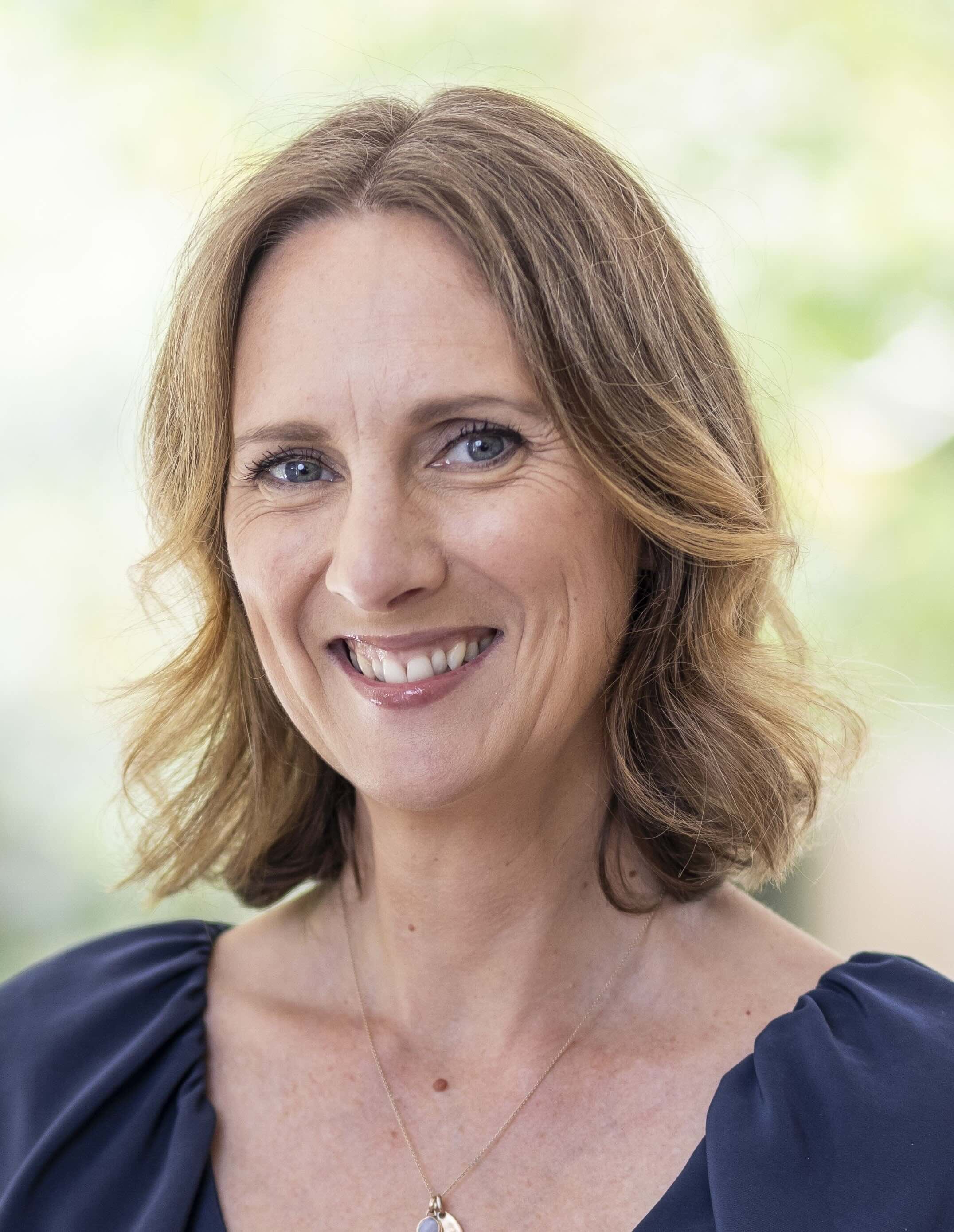
Tracy Dedman
-

Soledad De Virgilio
-
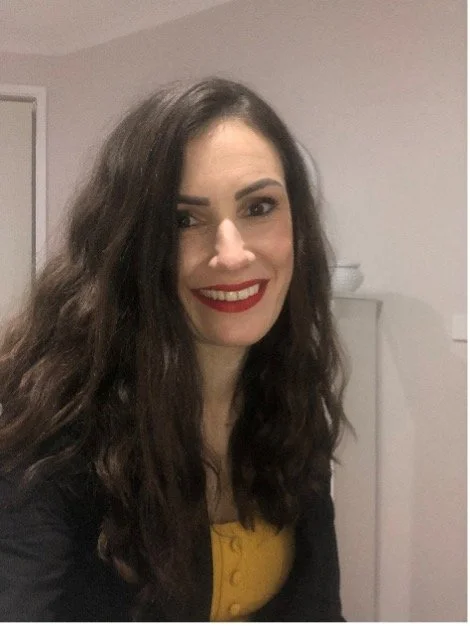
Snezana Milesic
Trauma-informed counselling recognises that healing is not about reliving the past - it's about helping you feel more present, more connected and more able to engage with the life you want to live.
Ready When You Are
You don't have to carry difficult experiences on your own.
Whether your trauma is recent or something you've lived with for many years, counselling can provide an opportunity to better understand your experiences, develop practical ways of coping and move towards a life that feels more connected, grounded and hopeful.
If you're ready to begin, we'd be honoured to support you.
Build Skills Between Sessions
Many people find it helpful to continue reflecting between counselling sessions, or to begin exploring these topics before reaching out for support.
Explore practical workbooks, guides and mental health resources designed to help you build knowledge, confidence and lasting wellbeing in The Naum Centre’s growing Learning Hub.
You may like to begin with:
Grounding & Emotional Regulation
Digital Workbook
Develop practical skills to manage overwhelm, reduce stress and regulate difficult emotions with this evidence-informed toolkit featuring grounding exercises, calming strategies and personalised coping tools.
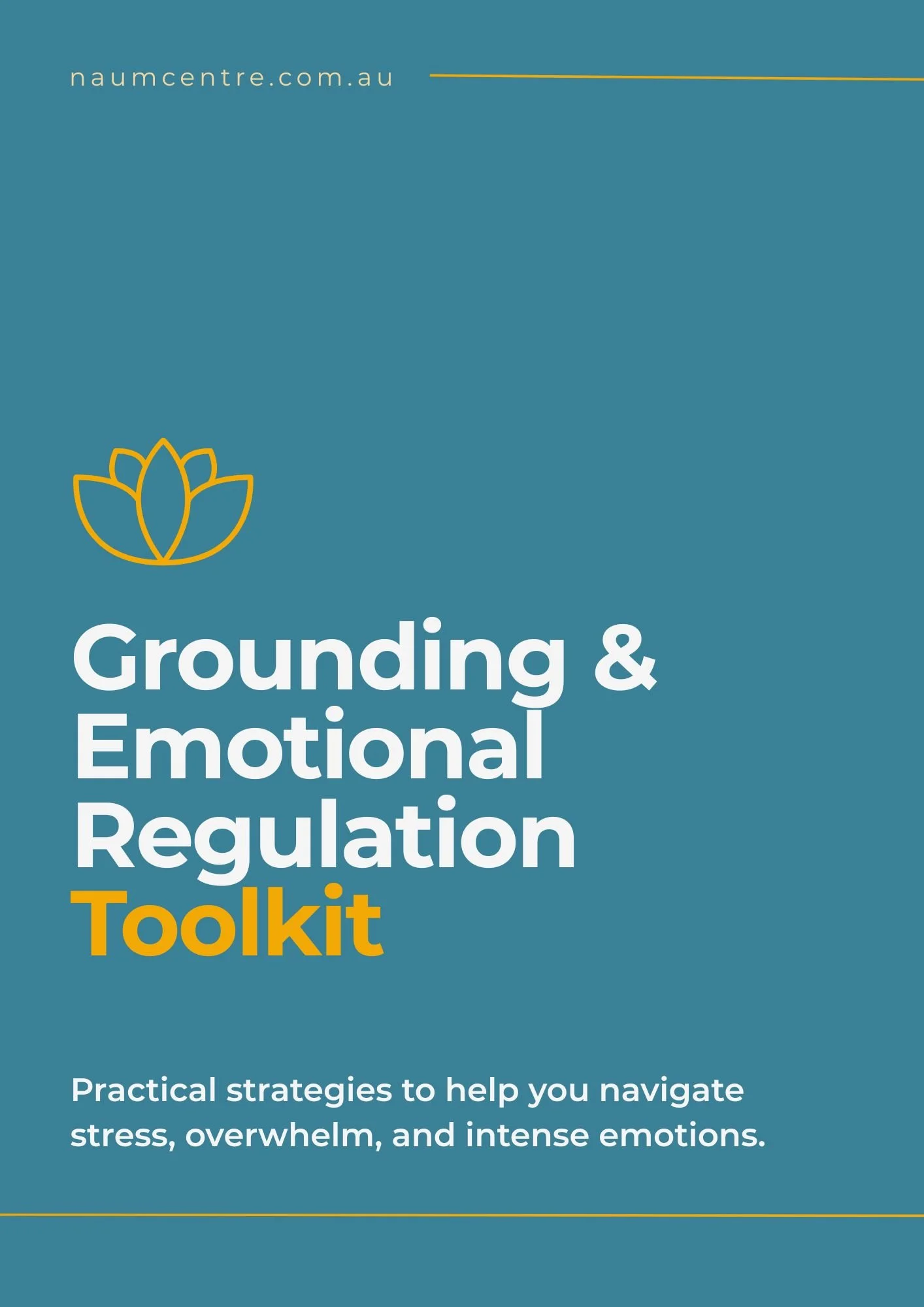
Practical strategies to help you feel calmer, more present and better able to navigate overwhelming emotions.
When we're feeling overwhelmed, anxious or emotionally flooded, it can be difficult to think clearly, make decisions or respond in the way we'd like. Our nervous system shifts into survival mode, making it harder to feel grounded and in control.
The Grounding & Emotional Regulation Toolkit has been developed by The Naum Centre to help you understand what's happening in these moments and provide practical, evidence-based strategies to support emotional regulation.
Rather than simply explaining the concepts, this workbook encourages you to build your own personalised toolkit - one that reflects your individual needs, preferences and everyday life.
Whether you're navigating anxiety, stress, burnout, ADHD, grief, trauma or simply the pressures of daily life, these skills can help you respond to difficult moments with greater awareness and confidence.
Inside You'll Find
✔ Understanding emotional regulation and why it matters
✔ Recognising your own early warning signs of stress and overwhelm
✔ Grounding techniques to help bring your attention back to the present moment
✔ Breathing and calming exercises
✔ Practical sensory regulation strategies
✔ A personalised regulation plan you can complete and refer back to
✔ Reflection activities to help identify what works best for you
Who Is This Workbook For?
This resource may be helpful if you:
often feel overwhelmed by strong emotions
experience anxiety or ongoing stress
find it difficult to calm yourself once you're upset
want practical strategies rather than just information
are looking to build healthier coping skills
would like to develop your own personalised regulation toolkit.
No previous counselling experience is needed.
A Practical Resource You Can Return To
Emotional regulation is a skill that develops over time. Rather than offering quick fixes, this workbook provides practical tools you can revisit whenever life becomes challenging.
Many of these exercises are also used within counselling sessions at The Naum Centre and are designed to complement professional support or be completed independently at your own pace.
Format
Digital PDF Download
Approximately 34 Pages
Instant access after purchase.
Please note: These resources are designed for educational and self-development purposes. They are not intended to replace individual counselling, psychological treatment or medical advice. If you're experiencing significant distress or are concerned about your mental health, we encourage you to seek support from a qualified health professional.